



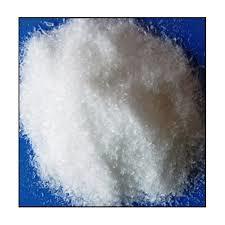
antimony trichloride
4900 INR/
Product Details:
- Form Crystals or liquid depending on temperature
- Shape Crystalline solid, sometimes liquid
- Structural Formula Cl3Sb
- Storage Store in tightly closed containers, in a cool, dry, ventilated area
- Boiling point 223 °C
- Taste Acrid, metallic, and caustic
- Melting Point 73 °C
- Click to View more
X
antimony trichloride Price And Quantity
- 10
- 4900 INR/
antimony trichloride Product Specifications
- Antimony trichloride
- 28273990
- SbCl3
- Reacts with water, soluble in chloroform, and benzene
- 99% or higher
- Used as a mordant, catalyst, analytical reagent, and in dyeing and perfume industries
- Antimony(III) chloride, Butter of antimony
- 228.13 g/mol
- Pungent, irritating odor
- 3.14 Gram per cubic centimeter(g/cm3)
- 233-227-6
- Strongly acidic in aqueous solution
- Inorganic chemical compound
- Yes
- 223 °C
- Meets analytical reagent standards
- Store in tightly closed containers, in a cool, dry, ventilated area
- 73 °C
- Halide, Metal chloride
- Acrid, metallic, and caustic
- Antimony
- Cl3Sb
- 10025-91-9
- Crystals or liquid depending on temperature
- Laboratory reagent, chemical intermediate, flame retardant
- Crystalline solid, sometimes liquid
- Industrial Grade
- 5 mmHg (at 100 C)
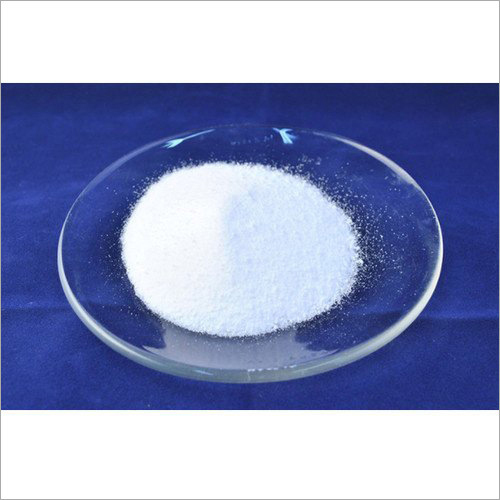
- Colorless to white crystals
- Avoid strong oxidizing agents and moisture
- Supplied in sealed HDPE drums or glass bottles
- 228.13 g/mol
- Corrosive, toxic if swallowed or inhaled
- In case of contact, rinse immediately with plenty of water and seek medical advice
- Decomposes on exposure to moisture producing hydrochloric acid
- Stable under recommended storage conditions
antimony trichloride Trade Information
- 1000 Per Week
- 7 Week
Product Description
Antimony trichloride is an inorganic chloride salt with formula SbCl3. ... Antimony trichloride is a colorless crystalline solid. It is shipped as a solid or liquid solution. It is decomposed slowly by water to hydrochloric acid and antimony oxychloride.Appearance and Physical Properties
Antimony trichloride occurs as colorless to white crystalline solid, or as a liquid depending on temperature. It has a pungent, acrid odor and a distinctly caustic, metallic taste. Its melting point is 73 C, and it boils at 223 C, with a density of 3.14 g/cm. The compound is soluble in non-polar solvents but reacts vigorously with water.
Storage and Stability Recommendations
This compound is stable under recommended storage conditions. It should be kept in tightly closed containers made of HDPE or glass, stored in a cool, dry, ventilated area to prevent contact with moisture and strong oxidizers. Proper storage ensures safety and maintains product quality.
Applications and Benefits
Antimony trichloride is widely utilized as a catalyst, mordant, laboratory reagent, and in the synthesis of perfumes and dyes. Its strong halide properties make it valuable in analytical chemistry and as an intermediate in various chemical reactions. Its high purity grade ensures reliable results in research and industrial processes.
FAQs of antimony trichloride:
Q: How should antimony trichloride be stored to maintain stability and prevent hazards?
A: Store antimony trichloride in tightly sealed HDPE drums or glass bottles, in a cool, dry, and well-ventilated area, away from moisture and strong oxidizing agents. Proper storage prevents decomposition and minimizes the risk of hydrochloric acid formation.Q: What immediate first aid measures should be taken in case of exposure to antimony trichloride?
A: If antimony trichloride comes in contact with skin or eyes, rinse immediately with plenty of water. If inhaled or ingested, seek medical attention promptly. Always handle using protective equipment due to its toxic and corrosive nature.Q: When is antimony trichloride commonly used in industry and laboratory settings?
A: Antimony trichloride is used primarily as a catalyst, mordant, flame retardant, and analytical reagent. It is essential in the dyeing and perfume industries, as well as for laboratory tests, often due to its reliable reactivity and high purity.Q: Where is antimony trichloride produced and supplied from?
A: Antimony trichloride is manufactured and exported by producers and suppliers in India, meeting industrial and analytical reagent standards. It is typically shipped in sealed packaging suitable for international and domestic markets.Q: What processes require the use of antimony trichloride, and what benefits does it offer?
A: Antimony trichloride is utilized in synthesis reactions, as a mordant in textile dyeing, in flame retardant formulations, and for analytical detection in laboratories. Its efficacy as a reagent and catalyst adds precision and efficiency in these chemical processes.Q: How does antimony trichloride decompose, and what precautions should be observed during handling?
A: On exposure to moisture, antimony trichloride decomposes, producing corrosive hydrochloric acid. Always avoid contact with water and ensure all handling occurs in a moisture-free environment using appropriate personal protective equipment.Tell us about your requirement

Price:
Quantity
Select Unit
- 50
- 100
- 200
- 250
- 500
- 1000+
Additional detail
Mobile number
Email

Other Products in 'Industrial Chemicals' category

Contact Us !!
GST : 27AABCE3201D1ZE
GST : 27AABCE3201D1ZE

401, Aashiya Narsi Chaya, 18 Swastik Soc, North South Rd 2, Vile Parle West, Mumbai - 400056, Maharashtra, India
Phone :08045812031

Mrs Dhara
(Proprietor)
Mobile :08045812031
|
 |
Evans Chem india Pvt. Ltd.
All Rights Reserved.(Terms of Use) Developed and Managed by Infocom Network Private Limited. |
